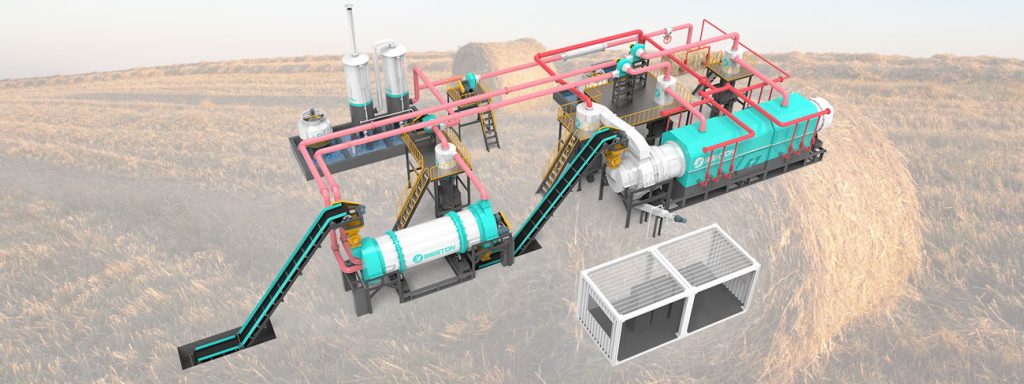
Selecting the correct pyrolysis plant capacity is a project-engineering decision, not simply a matter of choosing the largest available reactor. An undersized system can create throughput bottlenecks and weaken project economics, while excessive capacity may leave expensive equipment underutilized. The appropriate capacity should therefore be determined by waste availability, feedstock characteristics, operating schedule, product demand, and future expansion plans.
Start with the Actual Waste Supply
The first parameter is the quantity of waste that can be consistently collected and delivered to the facility. A project may have access to thousands of tonnes of waste annually, but the practical supply can fluctuate because of seasonal collection, transportation constraints, competing recyclers, and changes in local waste-generation patterns.
For a tire pyrolysis plant, calculate the annual quantity of waste tyres that can be secured under realistic operating conditions. Then convert the annual figure into a daily requirement according to the planned operating days. For example, a project processing 10,000 tonnes of tyres annually would require an average throughput of approximately 33 tonnes per day if operated for 300 days.
A conservative feedstock assessment is preferable to an optimistic one.
Match Capacity with Feedstock Properties
Waste composition directly influences effective processing capacity. Tyres, plastics, and oil sludge have different moisture contents, volatile fractions, ash levels, and thermal characteristics. Consequently, nominal reactor capacity should not be interpreted as identical processing performance across all feedstocks.
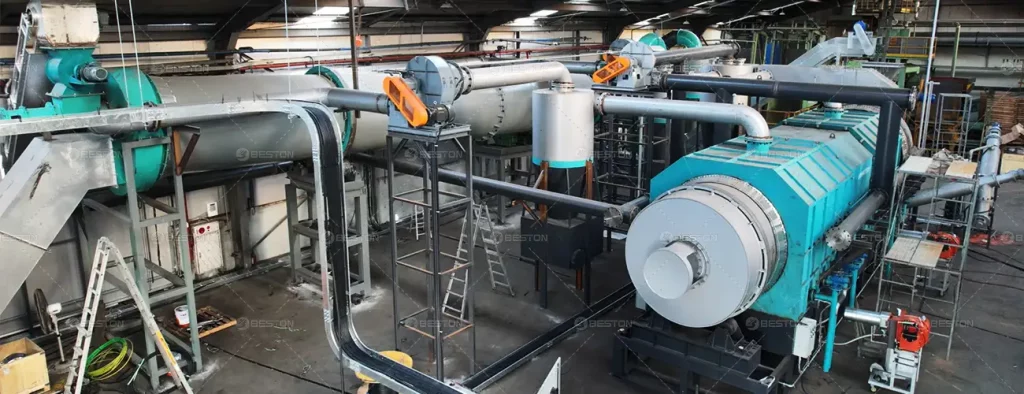
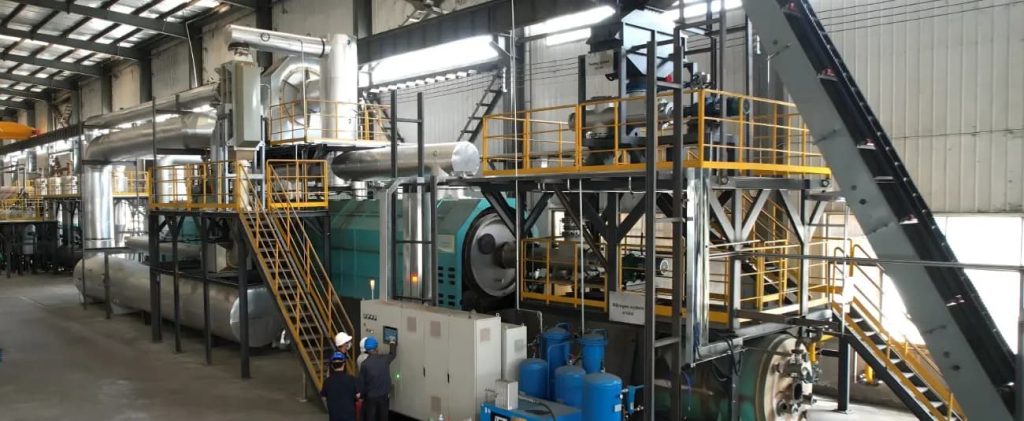
For waste tyres, particle size, steel content, rubber composition, and pretreatment requirements can affect feeding and heat-transfer efficiency. A continuous waste tyre pyrolysis plant may therefore require a different configuration from a system designed for intermittent feeding or another type of waste.
Moisture deserves particular attention. High-moisture feedstock consumes additional thermal energy for evaporation, potentially reducing the useful throughput of the pyrolysis unit.
Consider Operating Hours and Production Targets
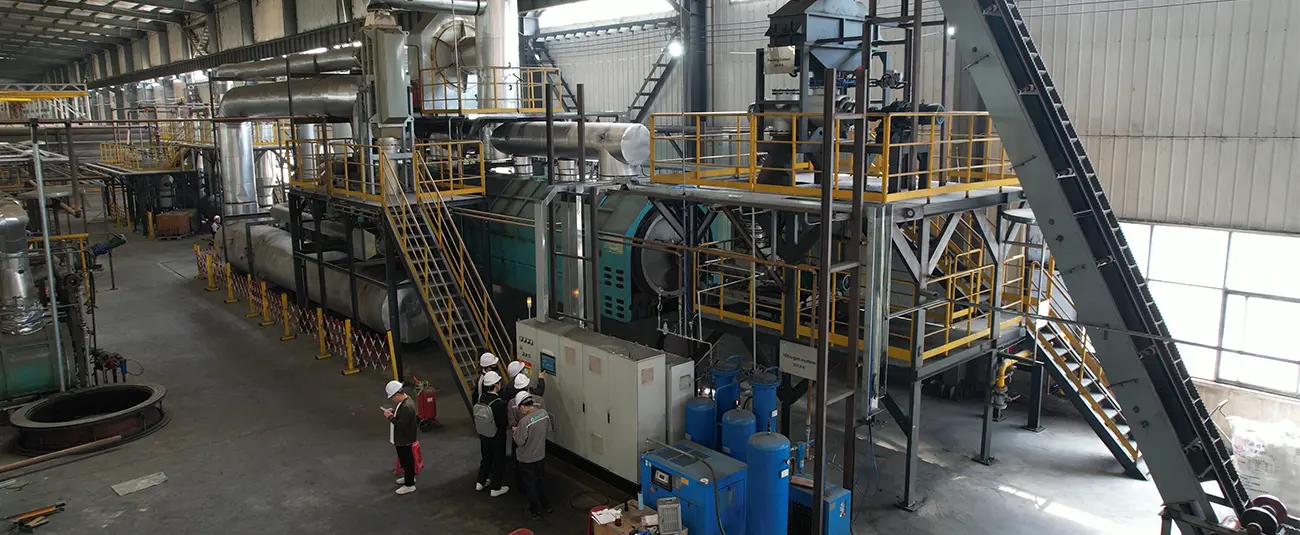
Capacity should be calculated against the actual operating schedule rather than simply using an annual waste figure. A plant operating 24 hours per day, for example, has a different hourly throughput requirement from one operating only during daytime shifts.
A simple calculation is:
Required hourly capacity = Annual feedstock ÷ Annual operating hours
The calculation should also account for maintenance, planned shutdowns, cleaning, and unavoidable downtime. Designing around 100% theoretical utilization can make the project vulnerable to operational disruptions.
For a tyre to oil plant, the calculation should also connect feedstock throughput with expected oil, gas, and carbon-black-like solid output. This establishes whether the selected capacity can support the intended revenue model.
Evaluate Current Demand and Future Expansion
A larger plant is not automatically a better investment. If the available waste supply is limited, installing excessive capacity can increase capital expenditure while leaving processing equipment idle.
Conversely, a rapidly expanding waste-management project may benefit from modular capacity. For example, an initial installation can be sized around secured feedstock volumes, with additional processing lines added when collection networks and product markets mature.
This approach reduces the risk of capacity overhang while preserving a pathway for expansion.
Check Equipment Configuration and Material Flow
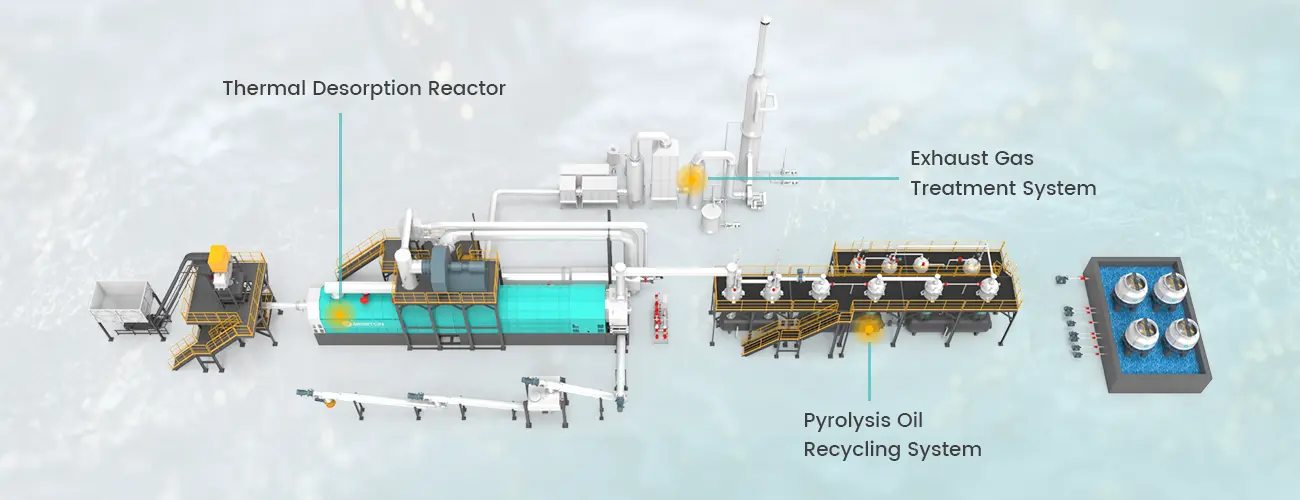
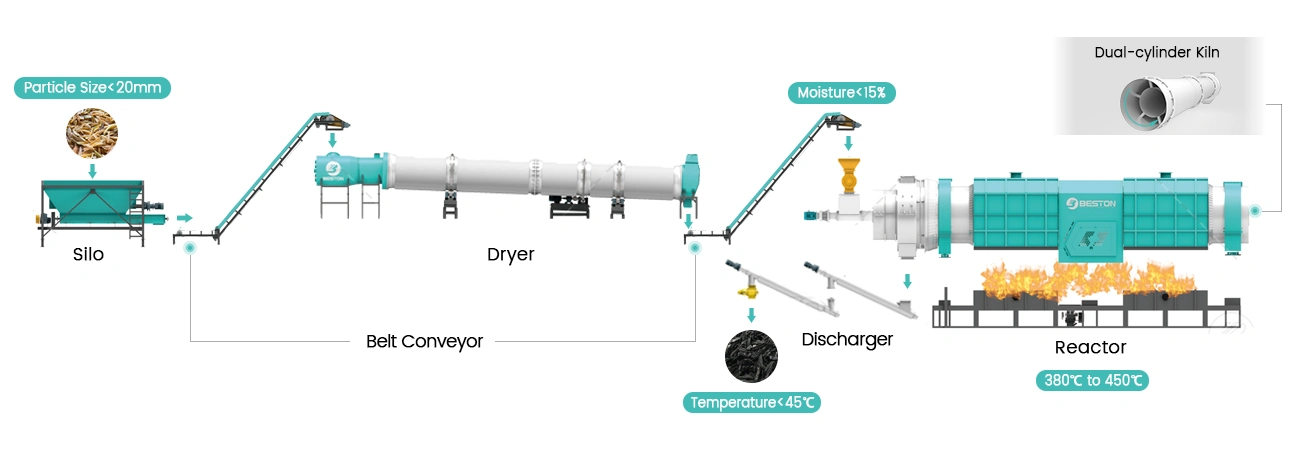
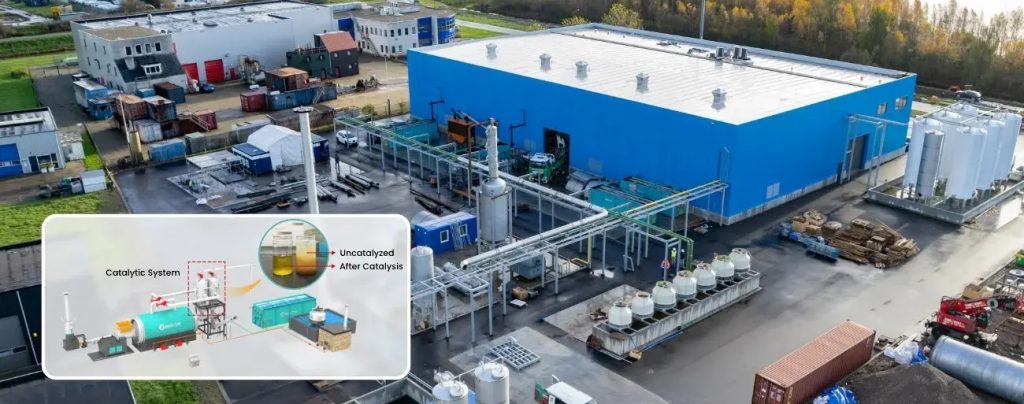
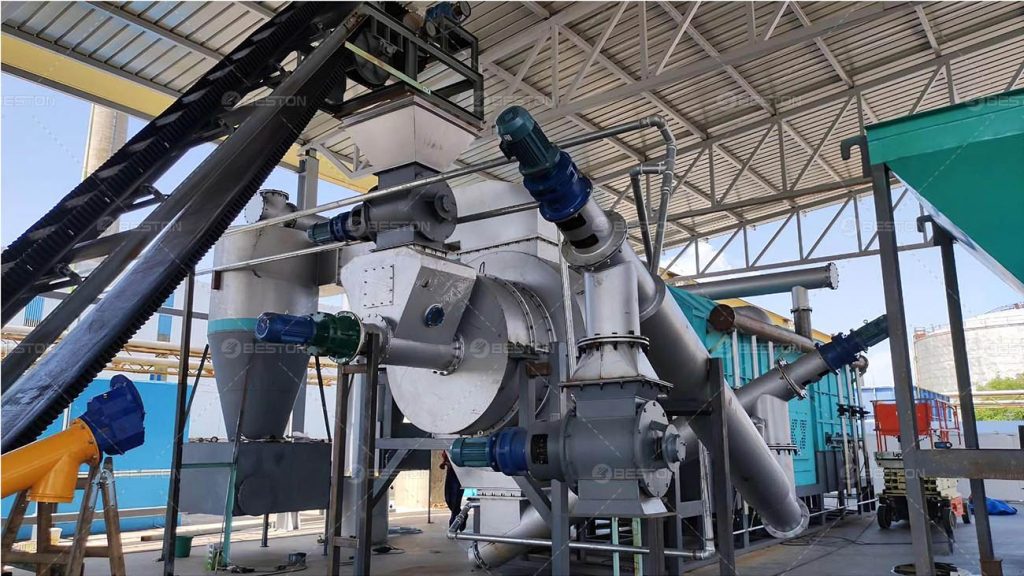
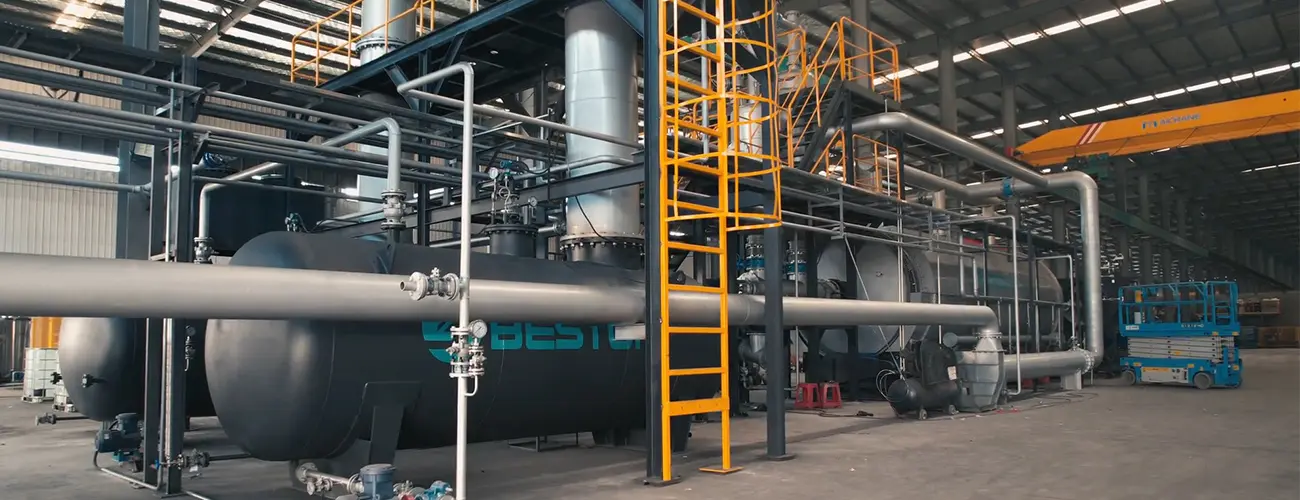
Capacity selection must also consider the complete process chain rather than the reactor alone. Feeding, pyrolysis, condensation, gas handling, residue discharge, storage, and emissions-control equipment must be hydraulically and thermally compatible with the intended throughput.
A bottleneck in one subsystem can effectively reduce the capacity of the entire facility. For instance, insufficient feeding capacity or inadequate product-storage infrastructure can prevent a high-capacity reactor from operating at its rated level.
Build Capacity Around Project Economics
The final decision should combine technical and financial parameters. Compare the expected feedstock cost, pyrolysis unit investment, energy consumption, labor, maintenance, logistics, product yield, and market value at several capacity levels.
A useful capacity-selection framework is:
| Factor | Key Question |
|---|---|
| Feedstock supply | How much waste can be secured consistently? |
| Operating schedule | How many hours and days will the plant operate? |
| Feedstock quality | What moisture and contamination levels are expected? |
| Product demand | Can the projected output be sold reliably? |
| Capital budget | Can the project support the required investment? |
| Expansion | Is additional capacity likely to be needed later? |
The right pyrolysis capacity is ultimately the point where feedstock availability, equipment utilization, production requirements, and project economics remain in equilibrium. Careful capacity planning at the feasibility stage can prevent both chronic underloading and unnecessary overinvestment, creating a more resilient foundation for long-term waste-to-resource operations.